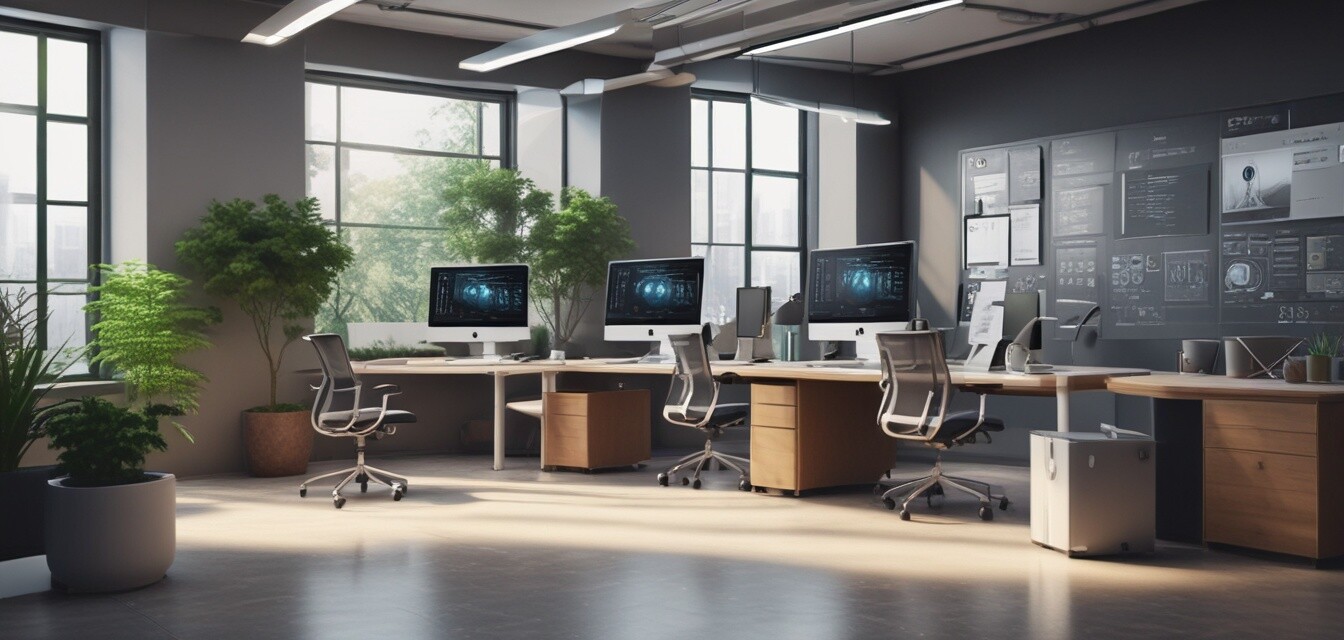
Health Monitoring Devices
Key Takeaways
- Health monitoring devices promote employee wellness and productivity.
- A variety of devices are available, including wearables and smart office equipment.
- Implementing these devices can lead to improved workplace morale.
- Regular monitoring helps identify health trends and areas for improvement.
In today’s fast-paced work environment, keeping track of employee health and wellness has become more important than ever. Health monitoring devices not only help employees stay healthy but also encourage a culture of wellness in the workplace. This article will explore various health monitoring devices that can enhance employee productivity and well-being in office settings.
Types of Health Monitoring Devices
There are several categories of health monitoring devices suitable for office environments. Here are a few key types:
| Device Type | Description | Benefits |
|---|---|---|
| Wearable Fitness Trackers | Devices worn on the body to track physical activity and health metrics. | Encourages movement, tracks steps, and monitors heart rate. |
| Smart Desks | Desks that adjust height automatically to promote standing and sitting. | Reduces sedentary behavior and supports better posture. |
| Air Quality Monitors | Devices that measure indoor air quality and provide real-time data. | Improves workplace environment by ensuring clean air. |
| Stress Management Tools | Devices that help monitor and manage stress levels. | Promotes mental health and encourages relaxation techniques. |
Benefits of Health Monitoring Devices
Integrating health monitoring devices into the workplace can lead to numerous benefits, including:
- Increased Productivity: Employees who feel healthy are often more productive.
- Reduced Healthcare Costs: Early detection of health issues can lower medical expenses.
- Improved Employee Engagement: Fostering a culture of health can enhance morale.
- Data-Driven Decisions: Analytics from devices can inform health initiatives.
Choosing the Right Health Monitoring Devices
When selecting health monitoring devices for your office, consider the following factors:
Tips for Beginners
- Assess employee needs and preferences before purchasing devices.
- Look for devices that integrate easily with existing office technology.
- Consider the ease of use for all employees, including those less tech-savvy.
- Evaluate cost versus benefits to ensure a good return on investment.
Popular Health Monitoring Devices
Here are some popular health monitoring devices that businesses are adopting:
| Device | Key Features | Price Range |
|---|---|---|
| Fitbit Charge 5 | Heart rate monitoring, sleep tracking, stress management. | $150 - $180 |
| Herman Miller Aeron Chair | Ergonomic design, adjustable features, promotes good posture. | $1,000 - $1,500 |
| Dyson Pure Cool Link | Air purification, real-time air quality monitoring. | $400 - $500 |
| Spire Stone | Tracks breathing patterns and provides mindfulness reminders. | $100 - $120 |
Implementing Health Monitoring Devices in the Workplace
To successfully implement health monitoring devices, consider the following steps:
- Conduct a health assessment to identify areas of improvement.
- Select devices based on employee feedback and preferences.
- Provide training on how to use the devices effectively.
- Encourage regular use and set health goals as a team.
- Review and analyze data regularly to assess the program's effectiveness.
Challenges and Considerations
While health monitoring devices offer many benefits, there are also challenges to consider:
Pros
- Encourages a healthier lifestyle for employees.
- Provides valuable data for improving workplace well-being.
- Enhances employee satisfaction and retention.
Cons
- Privacy concerns regarding health data collection.
- Potential resistance from employees who are skeptical about technology.
- Initial costs may be high for some businesses.
Conclusion
Health monitoring devices can significantly enhance the well-being of employees and promote a healthier workplace. By selecting the right devices and implementing them effectively, businesses can create a supportive environment that encourages health and productivity. For more information on similar products, check out our sections on advanced collaboration tools and AI-powered productivity tools.