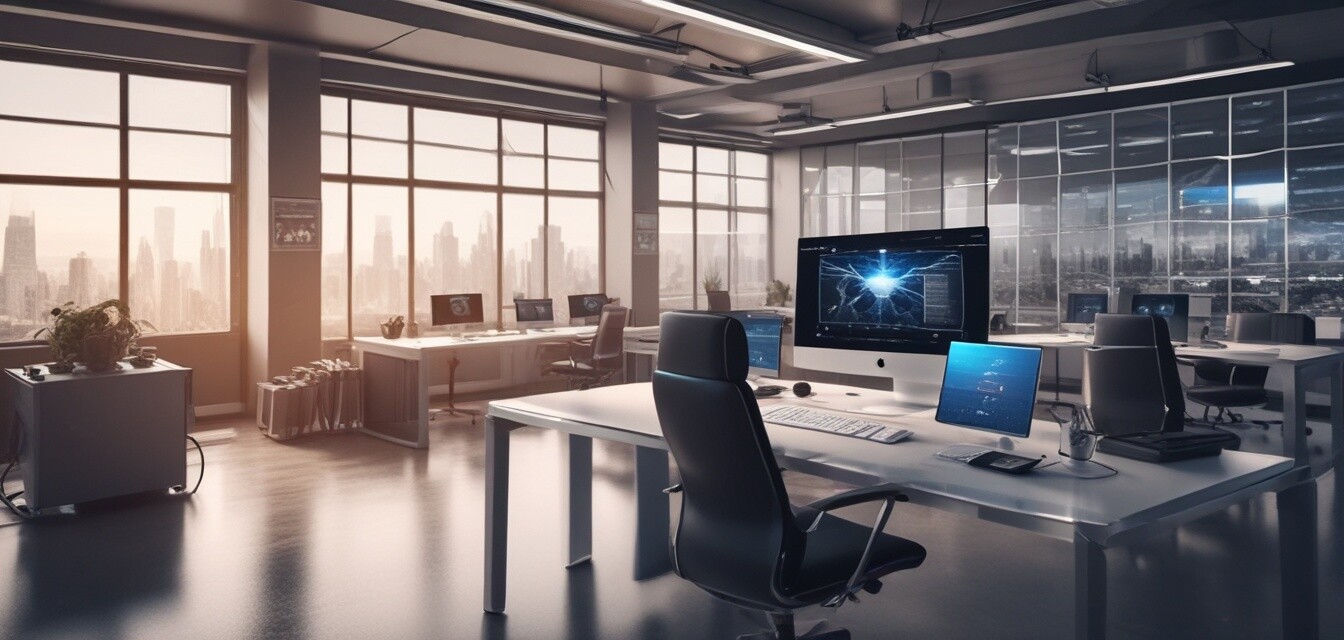
The Impact of AI on Workplace Efficiency in 2025
Key Takeaways
- The integration of AI tools is transforming workplace dynamics.
- AI-powered tools enhance productivity, collaboration, and decision-making.
- Future workplaces will prioritize flexibility, adaptability, and employee well-being.
- Staying updated with trends is crucial for maximizing workspace efficiency.
As we move into 2025, the workplace is undergoing a significant transformation spurred by innovative AI technology. From improving collaboration to enhancing individual productivity, the integration of AI tools is reshaping how we work. This article delves into the impact of AI on workplace efficiency and explores the future of work environments.
How AI is Shaping the Workplace
Artificial Intelligence has become an indispensable part of our lives, and workplaces are no exception. The role of AI varies from automating mundane tasks to facilitating complex decision-making processes. Here are some key areas where AI is making an impact:
| Area | Impact of AI |
|---|---|
| Task Automation | AI tools can automate repetitive tasks, freeing up time for employees to focus on critical projects. |
| Data Analysis | AI can analyze vast amounts of data quickly, providing real-time insights that aid in decision-making. |
| Enhanced Collaboration | AI-powered collaboration tools improve communication and streamline teamwork across different locations. |
| Personalized Workspaces | AI can customize work environments based on individual preferences, optimizing comfort and productivity. |
The Rise of AI-Powered Productivity Tools
In 2025, AI-powered productivity tools are set to dominate the workspace, transforming how we manage time and projects. These tools include:
- Smart task management apps: Automatically prioritize tasks based on deadlines and project importance.
- Intelligent virtual assistants: Help manage schedules and filter important emails.
- Advanced analytics dashboards: Provide insights into productivity trends over time.
The Importance of Flexible Workstation Setups
The traditional office setup is evolving into flexible workstation setups that can adapt to the needs of employees. Many companies now embrace hybrid models, allowing employees to work both remotely and in-office. Key benefits of flexible setups include:
Pros
- Increased employee satisfaction and morale.
- Greater work-life balance leading to improved productivity.
- Access to a broader talent pool regardless of location.
Cons
- Potential challenges in maintaining team cohesion.
- Dependence on technology, which may fail or hinder productivity.
- Challenges in performance tracking and accountability in remote setups.
The Role of AI in Employee Well-Being
AI is also paving the way for improved employee well-being. Through the integration of smart technology, workplaces can better address the mental and physical health needs of employees. Solutions such as:
- Smart lighting: Improves mood and focus during work hours.
- Wellness monitoring tools: Help identify stress levels and promote healthier habits.
- AI-driven feedback systems: Provide timely support and resources to employees.
Future Trends in AI Workspace Solutions
The future of work influenced by AI will likely bring several trends, including:
| Trend | Description |
|---|---|
| Increased Adoption of AI Tools | Companies will increasingly incorporate AI tools to enhance efficiency and reduce operational costs. |
| Focus on Cross-Disciplinary Teams | AI will facilitate collaboration between diverse teams, forming hybrid groups combining various expertise. |
| Remote Work Optimization | Enhanced tools for remote work, focusing on seamless integration and communication. |
| Sustainability Initiatives | AI will play a role in developing sustainable practices, from reducing energy consumption to optimizing resource allocation. |
Conclusion
As we look toward 2025, the integration of AI tools into the workplace is set to redefine how businesses operate. Embracing this technological revolution will not only increase productivity but also enhance employee satisfaction and well-being. By staying informed about trends in trends and insights, businesses can position themselves to thrive in this new landscape.
For further reading, check out our sections on buying guides and AI-powered productivity tools. Keeping abreast of industry news is crucial for maximizing your workspace experience.