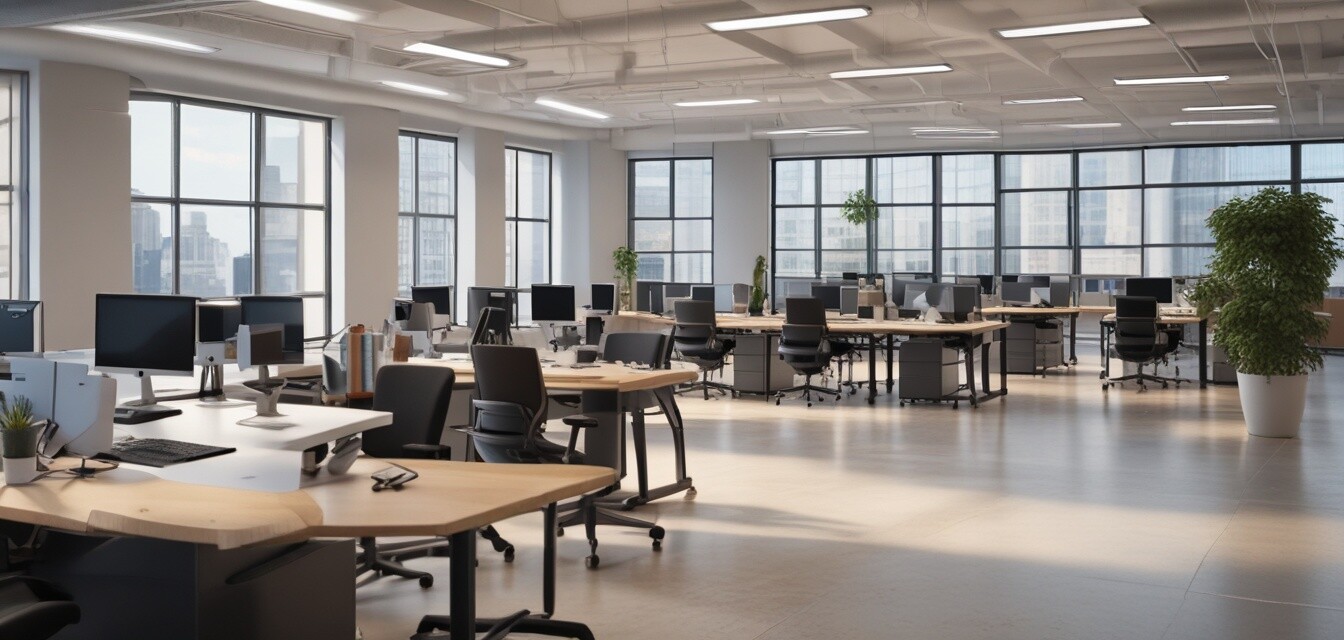
2025 Trends: The Rise of Flexible Workstation Setups
Key Takeaways
- Flexible workstation setups cater to diverse working styles, enhancing employee satisfaction.
- Incorporating smart technology leads to improved productivity and organization.
- The shift towards adaptable designs reflects the evolving demands of the modern workforce.
- Employers who embrace flexibility can attract and retain top talent.
The workspace of the future is not just about desks and chairs; it’s about creating an environment that promotes flexibility and enhances productivity. As we approach 2025, the trend towards flexible workstation setups continues to gain momentum. In this article, we will explore why these setups are essential for employee satisfaction and how businesses can benefit from embracing this trend.
Understanding Flexible Workstation Setups
Flexible workstation setups refer to adaptable office environments that can be customized to suit the needs of individuals or teams. These setups often include:
- Adjustable desks
- Ergonomic seating solutions
- Collaborative zones
- Quiet spaces for focused work
Why Are Flexible Workstation Setups Important?
As the nature of work evolves, so do the requirements of the workspace. Here are some critical reasons that underpin the importance of flexible workstation setups:
- Enhanced Productivity: When employees have the freedom to choose their work environment, productivity often increases. For instance, those who prefer standing might opt for standing desks or collaborative spaces.
- Employee Satisfaction: Providing options can lead to higher satisfaction levels. Employees often feel more valued when they can tailor their workspace to fit their preferences.
- Collaboration and Innovation: Flexible spaces encourage teamwork, which can result in innovative ideas and solutions. Businesses that prioritize collaboration see positive outcomes in creativity.
Trends Shaping the Future of Work
The future of work is being influenced by several key trends that are driving the rise of flexible workstation setups:
| Trend | Description |
|---|---|
| Hybrid Work Models | Employers are increasingly adopting hybrid models that combine remote and in-office work, necessitating flexible setups. |
| Sustainability | Eco-friendly materials and designs are becoming essential considerations for modern workplaces. |
| Smart Technology | Integration of AI and IoT devices enhances productivity and workspace management. |
Design Innovations in Flexible Workstations
Design plays a pivotal role in making flexible workstations effective. Here are some innovative design strategies:
- Modular Furniture: Furniture that can be easily rearranged promotes dynamic layouts.
- Acoustic Solutions: Adding sound-absorbing materials helps create quiet zones and minimizes distractions.
- Biophilic Design: Integrating natural elements can improve mental well-being and enhance the workspace aesthetic.
Challenges of Implementing Flexible Workstation Setups
While the benefits of flexible workstation setups are significant, businesses may face challenges during implementation:
Pros
- Boosts employee morale and satisfaction.
- Encourages collaboration and creativity.
- Provides adaptability for varied work tasks.
Cons
- Initial costs of setup can be high.
- Requires careful planning and design considerations.
- May face resistance from employees accustomed to traditional setups.
How to Transition to Flexible Workstation Setups
Making the shift to flexible workstations involves careful planning. Here are some steps to consider:
- Assess Current Space: Evaluate your existing workspace to determine what changes are needed.
- Engage Employees: Consult with your team to understand their needs and preferences.
- Invest in Quality Equipment: Prioritize ergonomic furniture and technology that support flexibility.
- Implement in Phases: Gradual changes can help employees adjust to the new environment smoothly.
The Future of Flexible Workstation Setups
As we look towards 2025, it’s clear that flexible workstation setups will continue to evolve. Employers who proactively adapt to these changes will not only boost productivity but will also create a work environment that attracts top talent. With advancements in technology and changing employee expectations, the landscape of work is shifting towards more adaptive solutions.
Conclusion
In conclusion, the rise of flexible workstation setups represents a significant trend in the evolving world of workspace solutions. By embracing this trend, businesses can create a more dynamic, productive, and satisfying work environment for their employees.
For more insights on workspace innovations, check our Trends and Insights section, or explore Flexible Workstation Setups to discover products that fit your new work environment.