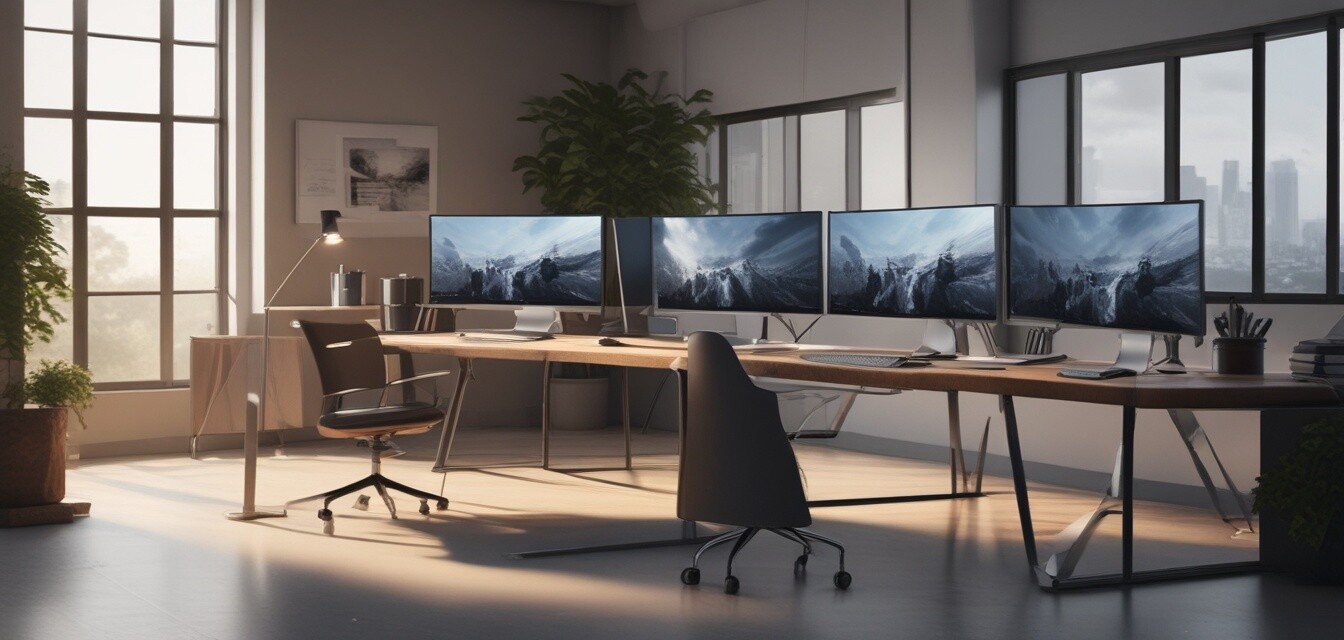
Integrating Noise-Cancelling Technology in Workspaces
Key Takeaways
- Noise-cancelling technology significantly boosts employee focus and productivity.
- Utilizing smart desks and flexible workstation setups can optimize the workspace.
- The choice of noise-cancellation type should depend on individual and team needs.
- Combining technology with thoughtful workspace design creates a conducive working environment.
As the workplace continues to evolve, one factor that often gets overlooked is the impact of noise levels on productivity. In many office settings, background noise can be a significant distraction. Fortunately, integrating noise-cancelling technology can transform your workspace, fostering an environment where concentration and productivity can flourish.
Understanding Noise-Cancelling Technology
Noise-cancelling technology comes in two primary types: active and passive. Active noise-cancelling (ANC) devices use microphones to pick up sounds and produce sound waves that counteract unwanted noises. On the other hand, passive noise-cancelling relies on physical barriers to block sound.
| Type | Description | Best Use Case |
|---|---|---|
| Active Noise-Cancelling | Uses sound waves to neutralize unwanted noise. | Open office environments |
| Passive Noise-Cancelling | Employs materials to physically block sound. | Quiet spaces like libraries |
Benefits of Noise-Cancelling in Workspaces
Integrating noise-cancelling technology into workspaces offers multiple benefits:
- Enhanced Focus: Employees can concentrate better without distractions.
- Increased Productivity: Fewer interruptions lead to more efficient work.
- Improved Employee Satisfaction: A quieter environment contributes to overall well-being.
- Flexibility: Works well in both open-plan offices and remote settings.
Implementing Noise-Cancelling Solutions
When integrating noise-cancelling technology, consider the following solutions:
- Invest in noise-cancelling headphones for employees.
- Create designated quiet zones with soundproofing materials.
- Utilize sound-masking systems to drown out distracting noises.
- Incorporate smart desks that enhance privacy and reduce noise levels.
Pairing Noise-Cancelling with Workspace Design
To maximize the effectiveness of noise-cancelling technology, pair it with thoughtful workspace design:
Design Tips for Effective Workspaces
- Use partitions to separate different work areas.
- Introduce plants to absorb sound and improve air quality.
- Incorporate adjustable lighting to enhance focus without visual distractions.
- Create collaborative spaces that promote teamwork while keeping noise levels manageable.
Challenges of Noise-Cancelling Technology
While there are many benefits to using noise-cancelling technology, some challenges might arise:
Pros
- Increases concentration significantly.
- Creates a more pleasant working environment.
- Encourages productivity by minimizing distractions.
Cons
- May require an initial investment.
- Some employees might prefer a certain level of background noise.
- Effectiveness can vary based on technology and design choices.
Conclusion
Integrating noise-cancelling technology in workspaces is an effective strategy to boost focus and productivity. This technology can be particularly beneficial in open office settings where noise can become overwhelming. By combining noise-cancelling solutions with smart workplace designs and tools, employers can create an environment that elevates work performance and employee satisfaction.
For more insights into improving your workspace, explore our articles on buying guides, or stay updated on the latest trends in trends and insights. Find innovative ways to enhance productivity with AI-powered productivity tools and discover the benefits of flexible workstation setups.